




The digital transformation of manufacturing companies does not have to begin with a costly investment in technology with an uncertain outcome. The EDIH-DIGIMAT 2.0 project allows companies to first identify suitable opportunities, test the proposed solution under real-world conditions, and only then decide whether to implement it. Tomáš Baťa University in Zlín is also involved in the project, including experts from the Faculty of Management and Economics.
EDIH-DIGIMAT is part of the European network of digital innovation hubs. Its goal is to assist manufacturing companies in particular with the implementation of artificial intelligence, automation, robotics, digital twins, and other technologies that can increase their productivity, flexibility, and competitiveness.
From Initial Analysis to Implementation
Many companies recognize the potential of new technologies but lack sufficient information to select the right solution. Technical feasibility, return on investment, and financing options may all be unclear. EDIH-DIGIMAT therefore guides companies through the entire digital transformation process.
The collaboration typically begins with an initial analysis to help map out current processes and identify areas where digitization can bring the greatest benefits. This is followed by a search for a suitable technological solution and connecting the company with experts, research institutions, and verified suppliers. In the next phase, the project also assists with preparing for implementation and identifying financing options.
Thus, the company receives not only recommendations for specific technologies but also expert support throughout the entire journey—from problem identification to the practical deployment of the solution.
Test Before Investing
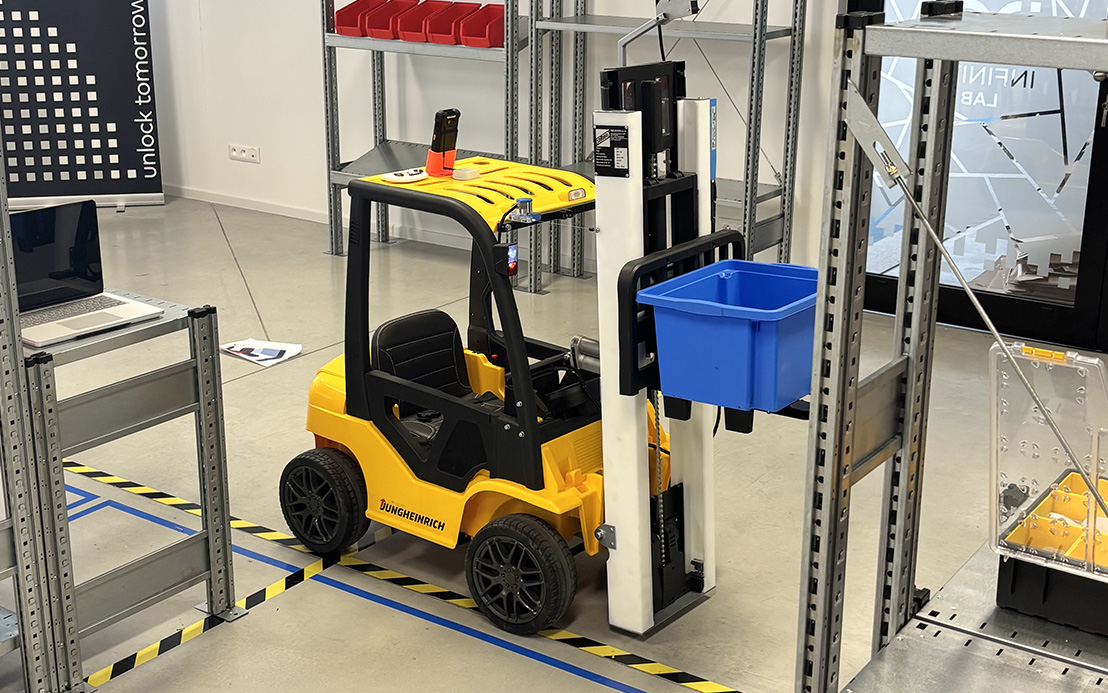
One of the project’s core principles is the “Test Before Invest” approach. Companies can first test the intended technology at experimental facilities or through a pilot solution to verify whether it truly meets their needs.
This allows companies to assess the solution’s technical functionality, its benefits for business processes, and its expected economic return on investment before making a larger investment. This approach reduces the risk of a misguided investment and enables adjustments to the proposed solution even before it is rolled out into regular operation.
Testing can take the form of a proof of concept, an experiment, a pilot project, or joint research and development of a new solution.
Artificial Intelligence, Automation, and Digital Twins
The project’s expertise covers a broad spectrum of technologies involved in today’s digital transformation. These include, for example:
- industrial and generative artificial intelligence;
- machine vision and automated quality control;
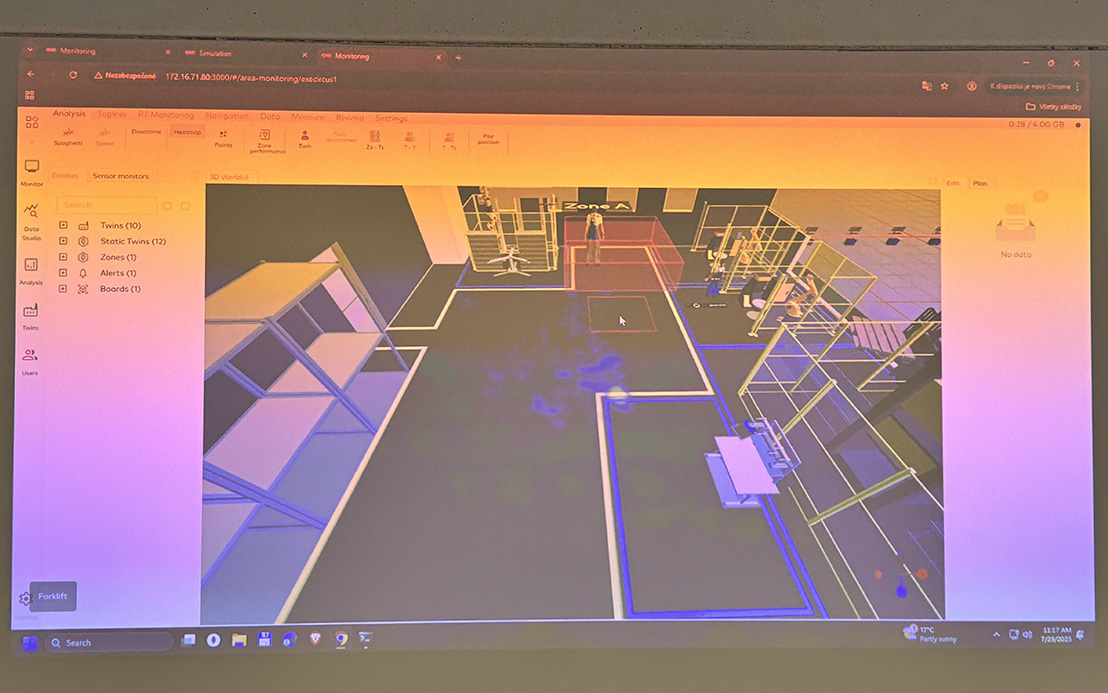
- digital twins and process simulation;
- autonomous robotics and flexible manufacturing systems;
- predictive maintenance;
- optimization of manufacturing and administrative processes;
- integration of MES, ERP, and IoT enterprise systems;
- process automation;
- 3D printing, prototyping, and the use of high computing power.
The selection of a specific technology is always based on the actual needs of the company in question. The goal is not digitization for its own sake, but rather achieving measurable benefits in the form of higher productivity, lower costs, better decision-making, or greater production flexibility.
FaME bridges technology with economics and business management
Successful digital transformation is not merely a technical matter. The implementation of new technology affects business processes, costs, management practices, employee work, and the company’s overall strategy. It is precisely in these areas that the Faculty of Management and Economics at TBU in Zlín brings its expertise to the project.
FaME experts can contribute primarily to the analysis and optimization of business processes, the evaluation of the economic benefits of proposed solutions, cost and performance management, management accounting, controlling, working with business data, and the development of predictive models and reporting.
The faculty’s involvement thus helps bridge the gap between technological capabilities and the company’s economic reality. As a result, the company can better assess not only whether a particular solution is technically feasible, but also whether it aligns with its strategic goals and will deliver the expected value.
Education as Part of Digital Transformation
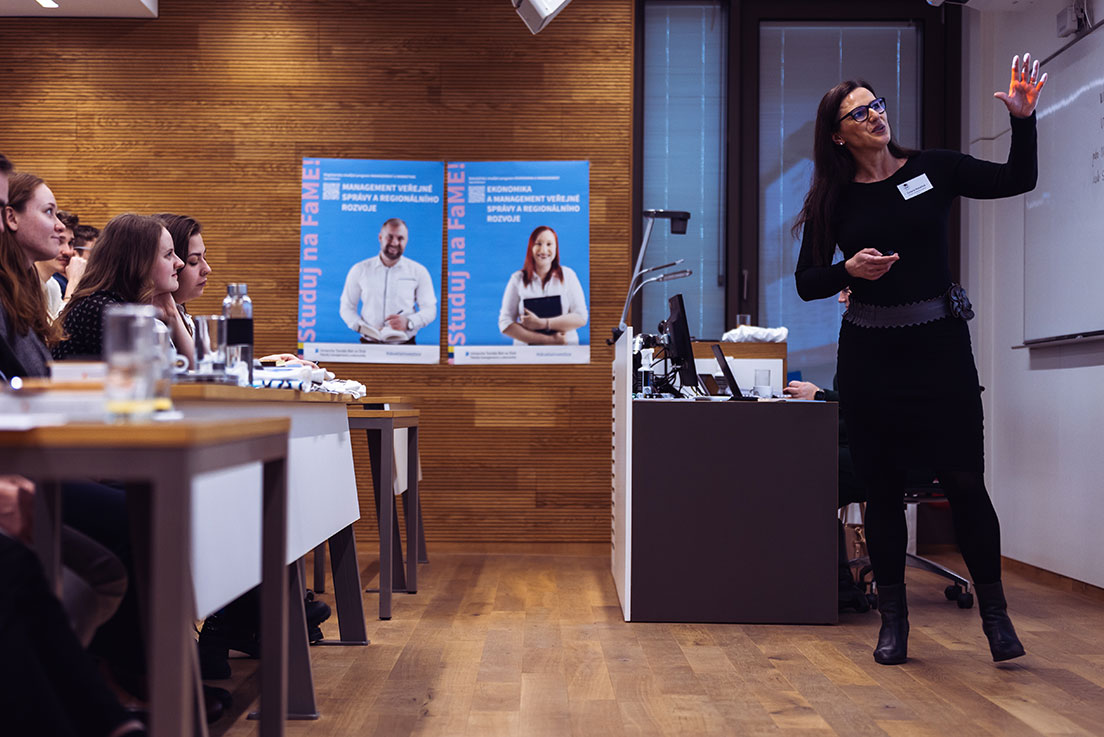
New technologies do not deliver the expected results without employees who understand them and can use them effectively. Therefore, EDIH-DIGIMAT’s offerings also include specialized seminars, hands-on workshops, training tailored to specific companies, and more comprehensive educational programs.
Developing digital competencies helps companies prepare their employees for new work processes while also enhancing their ability to further develop existing solutions on their own.
Support Reduces the Cost of Professional Services
Thanks to funding from European and national sources, companies can access professional services under significantly favorable terms. According to project information, companies with up to 250 employees typically pay approximately one-fifth of the actual cost of the services provided. The specific scope of support depends on the size of the company and the nature of the project being developed.
The project thus makes expert resources, research infrastructure, and testing of modern technologies accessible even to companies for which such services would otherwise be difficult to obtain.
Partnership Between Research and Business Practice
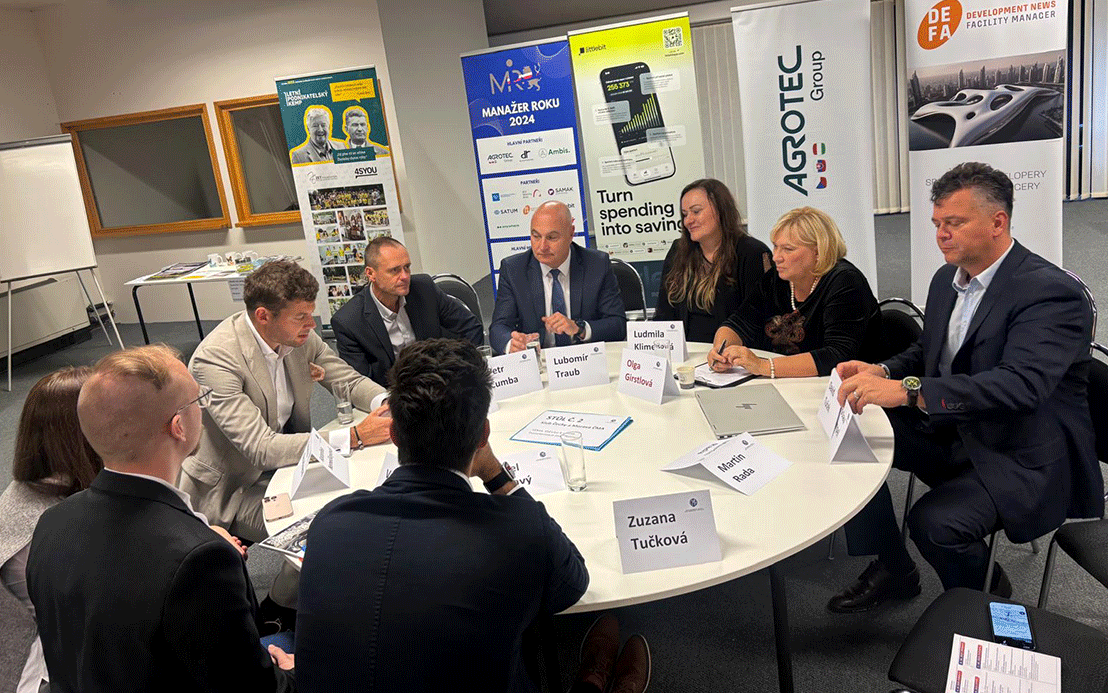
EDIH-DIGIMAT connects Tomáš Baťa University in Zlín with other research, innovation, and business partners. As a result, it offers companies access to experts from various fields, technological resources, and experience gained from previously completed projects.
Results to date confirm the initiative’s practical focus: EDIH-DIGIMAT reports hundreds of consulting services provided, dozens of companies that have tested technologies in real-world operations, and more than 1,900 participants in professional events and workshops.
At the same time, FaME’s involvement in the project advances the faculty’s long-term mission: to translate research findings into practice, support business competitiveness, and integrate technological transformation with economic and managerial perspectives.
Are you interested in collaborating?
Companies planning to digitize their operations, automate production, or utilize artificial intelligence can access an initial consultation, expert analysis, the opportunity to pilot-test technology, and support in securing appropriate funding through this project.
For more information on collaboration opportunities and the services offered, visit the EDIH-DIGIMAT website.
